Why Your Towing Rig Needs Specialized Brake Care Before You Hitch Up
When people talk about towing, the conversation usually starts with horsepower, torque, and towing capacity.
But experienced truck owners know the real challenge begins when it's time to slow down.
Whether you're hauling construction equipment across the Central Valley, towing a travel trailer into the Sierra Nevada, or launching a boat for a weekend on the water, your vehicle's braking system is under far more stress than it faces during everyday driving.
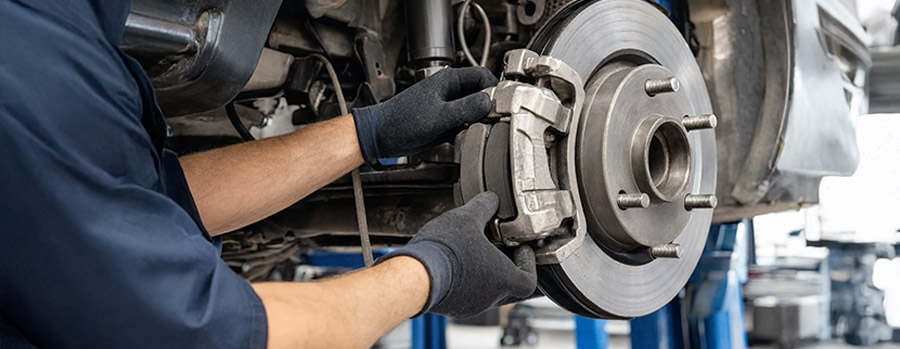
The heavier the load behind you, the harder your brakes must work to safely control, slow, and stop thousands of additional pounds. That extra strain creates heat, accelerates wear, and exposes weaknesses that may never appear during normal commuting.
Before your next towing trip, here's what every Ram and Jeep owner should know about protecting their braking system.
Why Towing Changes Everything
A truck traveling at highway speed already carries significant momentum.
Add a fully loaded trailer, and the amount of energy your braking system must absorb increases dramatically.
This means:
- Longer stopping distances
- Higher brake temperatures
- Faster brake pad wear
- Increased rotor stress
- Greater risk of brake fade
A braking system that feels perfectly normal during daily driving may struggle when faced with a steep grade and a heavy trailer.
That's why brake maintenance becomes even more important for vehicles that tow regularly.
The Most Common Towing Brake Problem: Heat
Heat is the biggest enemy of any towing rig.
Every time you press the brake pedal, kinetic energy is converted into heat through friction between the pads and rotors.
Under heavy towing conditions, rotor temperatures can climb well beyond 600°F.
As temperatures rise, several problems can occur:
1. Brake Fade
Brake fade happen when excessive heat reduces the friction between the pads and rotors.
The result is alarming:
- Longer stopping distances
- Reduced braking power
- Increased pedal effort
This is especially common when descending long mountain grades while riding the brakes continuously.
2. Rotor Damage
Repeated exposure to extreme temperatures can cause:
- Rotor warping
- Surface cracking
- Uneven pad deposits
- Steering wheel vibration during braking
What starts as a small vibration can eventually turn into a costly brake repair if ignored.
Why Brake Fluid Matters More Than Most Drivers Realize
Many truck owners replace pads and rotors when necessary but overlook one of the most important components in the braking system: brake fluid.
Brake fluid naturally absorbs moisture over time.
During normal driving, this may not create noticeable issues.
Under towing conditions, however, the additional heat generated by braking can cause absorbed moisture to boil inside the brake lines.
When this happens:
- The brake pedal feels soft or spongy
- Braking response becomes inconsistent
- Stopping performance decreases
A brake fluid service removes moisture-contaminated fluid and replaces it with fresh, high-performance Mopar® brake fluid designed to withstand higher temperatures.
Don't Ignore Trailer Brake System Warnings
If your trailer is equipped with electric brakes, those brakes should share the workload with your truck.
The Integrated Trailer Brake Controller (ITBC) helps coordinate braking force between the vehicle and trailer.
When a "Service Trailer Brake System" warning appears, it may indicate:
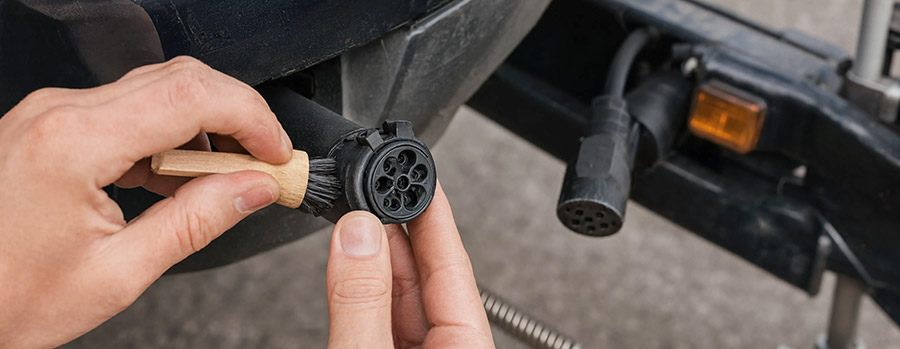
- Corroded 7-pin connectors
- Damaged trailer wiring
- Worn brake magnets
- Controller communication faults
Without properly functioning trailer brakes, your truck's braking system must absorb nearly all of the stopping force on its own.
This increases wear dramatically and can create dangerous trailer sway or jackknife situations during emergency braking.
Don't Overlook Your Parking Brake Condition
Towing places additional demands on your Electronic Parking Brake (EPB), especially when parking on inclines, boat ramps, campsites, or uneven terrain.
Modern Ram and Jeep vehicles use electronically controlled actuators to clamp the rear brakes when the parking brake is activated.
If an EPB warning light appears, the system may not be able to guarantee sufficient holding force.
Before towing in hilly or mountainous areas, it's important to ensure the parking brake system is functioning correctly and fully calibrated.
Warning Signs Your Towing Rig Needs Brake Service
Schedule an inspection if you notice any of the following, especially after towing a heavy load or driving in hilly terrain:
- Vibration while braking, which can point to warped rotors, uneven pad wear, or heat-related brake damage
- Squealing or grinding noises, often caused by worn brake pads or metal-on-metal contact
- A soft or spongy brake pedal, which may indicate air in the brake lines or brake fluid that needs to be replaced.
- Increased stopping distances, a sign that your brakes are no longer delivering the stopping power your vehicle needs
- Brake warning lights, which can signal issues with the brake system, trailer brake controller, or parking brake
- Burning smells after descending grades, often caused by overheated brakes or excessive friction from riding the brakes too long
- Uneven trailer braking performance, which may point to wiring problems, worn trailer brake components, or an improperly adjusted brake controller
These symptoms often become more noticeable when towing because the added weight puts extra strain on the entire braking system and can quickly expose problems that may not show up during everyday driving.
A Quick Pre-Tow Brake Inspection Checklist
1. Inspect Your Brake Pads and Rotors
Look for excessive wear, grooves, cracks, or uneven rotor surfaces.
2. Check Brake Fluid Condition
Fluid should appear clear to light amber. Dark fluid may indicate contamination and reduced performance.
3. Test Trailer Brake Operation
Verify that the trailer brakes engage smoothly and respond appropriately to controller adjustments.
4. Inspect the 7-Pin Connector
Remove dirt, corrosion, and moisture that could interrupt communication between truck and trailer.
5. Verify Brake Controller Gain
Adjust gain settings to match the current trailer weight and load distribution.
6. Test the Parking Brake
Confirm proper engagement before parking on inclines or launch ramps.
Tow With Confidence in Turlock
Your Ram truck or Jeep SUV was engineered to handle demanding towing tasks, but every pound you pull depends on a braking system capable of bringing that load safely under control.
Whether you need a brake inspection, brake fluid service, trailer brake diagnostics, rotor replacement, or complete brake repair, the factory-trained technicians at Turlock CDJR can help ensure your vehicle is ready for the demands of towing.
Before your next trip, schedule a professional brake inspection and make sure your stopping power is as capable as your towing power.