
Jeep Oil Change for Turlock Drivers: What Your Engine May Be Trying to Tell You
A lot of expensive repairs start with five words:
"I'll do it next month."
Most drivers don't think much about a Jeep oil change until something gets their attention. Usually, it's not at a convenient moment.
You might be driving down Geer Road on your way home, heading out toward Don Pedro Reservoir for the weekend, or exploring one of California's scenic backroads when your Jeep suddenly flashes a warning light or starts sounding...different.
That's usually how maintenance gets your attention.
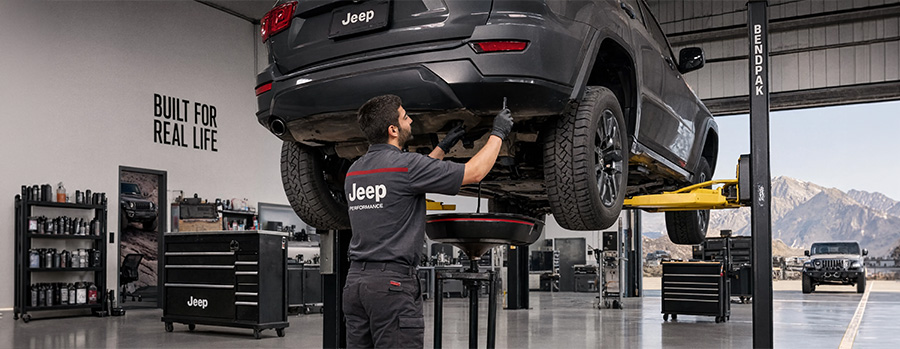
Between Central Valley heat, dusty country roads, highway traffic, and the occasional off-road adventure, engine oil in a Jeep often works harder than many drivers realize.
At Turlock CDJR, we see it all the time. Drivers come in concerned about engine noise, warning lights, or sluggish performance, only to discover the issue started with an overdue Jeep oil change. Routine oil service is one of the simplest ways to help avoid much larger repairs later.
Why Turlock Driving Can Be Harder on Engine Oil
Not every mile affects your engine the same way.
For many Jeep owners in Turlock, everyday driving often falls into what's considered severe service.
Central Valley heat places extra stress on engine oil. Dust from rural roads can make your engine work harder. Frequent short trips don't always allow oil to reach its ideal operating temperature, while Highway 99 traffic means plenty of stop-and-go driving.
And if you regularly take your Jeep camping, towing, or off-roading, your engine is working even harder.
A routine Jeep oil service helps support:
- Reduced engine wear through proper lubrication
- Better temperature control during hot California summers
- Cleaner engine internals by helping prevent sludge buildup
- Smoother performance and improved fuel efficiency
- Longer engine life over time
Routine maintenance isn't just another item on your checklist. It's one of the easiest ways to reduce unnecessary engine wear before it becomes an expensive repair.
Which brings us to the next question...
How Often Should You Get a Jeep Oil Change?
There's no single mileage that fits every Jeep.
Many drivers schedule oil changes every 5,000–7,500 miles, although your model, engine, oil type, and driving habits all play a role.
Signs you may be due for an oil change:
- Oil looks dark or dirty
- Engine feels rougher than usual
- Oil change reminder appears
- Reduced fuel efficiency
- Ticking or knocking sounds
- Burning oil smell
If your ride is giving subtle warnings, it’s usually worth checking before it becomes a bigger repair. Because engines rarely get cheaper when ignored.
What Your Jeep Oil Pressure Warning May Be Telling You
An oil warning light can make any driver nervous.
Sometimes it's simply low engine oil.
Other times, it could involve the Jeep oil pressure sensor, which monitors oil pressure throughout the engine.
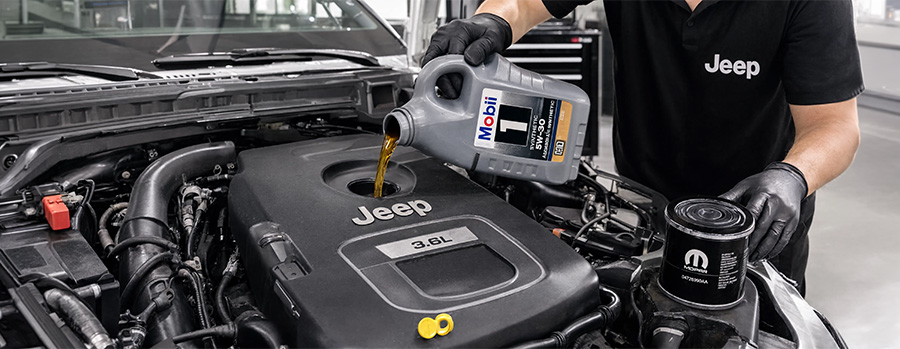
If oil pressure is genuinely dropping or the sensor isn't reading correctly, it deserves immediate attention.
Because low oil pressure can become serious quickly. Possible causes can include:
- Low Oil Level: Sometimes the simplest explanation is the right one.
- Worn Oil Pump: Reduced oil flow can affect proper engine lubrication.
- Dirty Oil Passages: Sludge or buildup may restrict circulation.
- Failing Oil Pressure Sensor: Sometimes the warning is the sensor itself.
- Overdue Oil Service: Old oil can contribute to pressure-related concerns.
Don't ignore oil pressure warnings.
"I'll check it next week" has started many expensive repair stories.
How to Reset the Oil Change Light on a Jeep
After completing an oil change, you'll need to reset the oil life monitor.
On many Jeep models, the process is straightforward.
Step-by-Step Jeep Oil Change Reset:
Lorem Ipsum is simply dummy text of the printing and typesetting industry. Lorem Ipsum has been the industry's standard dummy text ever since the 1500s, when an unknown printer took a galley of type and scrambled it to make a type specimen book.
Step 1: Turn the ignition to ON without starting the engine.
(For push-button start models, press the button without pressing the brake pedal.)
Step 2: Slowly press the accelerator pedal fully three times within 10 seconds.
Step 3: Turn the ignition completely off.
Step 4: Start the Jeep and verify the oil change message has cleared.
Some newer Jeep models allow the oil life monitor to be reset through the digital instrument cluster using the steering wheel controls.
If the reminder remains, consult your owner's manual or visit Turlock CDJR for assistance.
Resetting the reminder doesn't replace the oil, it simply resets the maintenance reminder.
What Happens If You Delay a Jeep Oil Change?
This is where “I’ll do it next month” can start getting expensive. Old oil doesn’t just get old. It gets contaminated, loses effectiveness, and protects less over time. And that can lead to problems like:
- Sludge Buildup: Dirty, degraded oil can leave deposits that restrict proper engine performance.
- Reduced Efficiency: Old oil can make the engine work harder, which may affect performance and fuel economy
- Increased Friction: Less effective lubrication can create more wear between moving engine parts.
- Overheating Risk: As oil breaks down, it becomes less effective at helping manage engine heat.
- Costly Repairs: Small maintenance delays can sometimes lead to much bigger repair bills later.
None of those are nearly as appealing as a routine oil change. Because maintenance is almost always cheaper than repair. Almost boringly true.
Local Drivers Often Ask: Conventional or Synthetic Oil?
For most modern Jeep models, full synthetic oil is typically recommended.
| Factor | Conventional Oil | Synthetic Oil |
| Heat Protection | Standard protection | Better suited for high temperatures and demanding driving |
| Oil Life | Shorter service intervals | Longer-lasting protection |
| Engine Cleanliness | Basic deposit protection | Helps keep engines cleaner |
| Best For | Older vehicles or lighter driving | Many newer Jeep models, towing, off-roading, and everyday commuting |
Many Turlock Jeep owners choose synthetic oil because California's heat, traffic, and weekend adventures place extra demands on their engines.
The right oil depends on your model, mileage, and driving style.
Our service team can recommend the best option for your Jeep.
Jeep Oil Change Checklist
A professional oil change includes more than replacing old oil.
It's also an opportunity to catch small issues before they become major repairs.
A typical Jeep oil service may include:
- Engine oil replacement
- Genuine Mopar® oil filter replacement
- Fluid level inspection
- Tire pressure check
- Battery inspection
- Brake visual inspection
- Belt and hose inspection
Think of it as routine maintenance with a second set of expert eyes.
Preventing repairs, you never have to pay for? That's a win.
Keep Your Jeep Ready for Every Adventure
A routine Jeep oil change may not be the most exciting item on your calendar, but it's one of the smartest investments you can make in your vehicle.
Whether you're commuting around Turlock, heading into the mountains, or planning your next off-road adventure, staying on top of oil service helps keep your Jeep performing at its best.
If you're searching for Jeep oil change near me or looking for Jeep oil change coupons, the certified service team at Turlock Chrysler Dodge Jeep Ram is here to help with factory-trained technicians, genuine Mopar® parts, and expert care.
Ready for your next Jeep oil change? Schedule your service appointment with Turlock CDJR today and keep your Jeep ready for wherever the road takes you.