
When to Schedule Jeep Tire Service: Signs Drivers Shouldn’t Ignore
Ever had that moment where nothing seems wrong… but the drive just doesn’t feel right?
It’s not a warning light, nor is it a flat tire. Maybe the steering feels slightly different while pulling out for a coffee run. Maybe the ride feels rougher than usual heading toward Highway 99. Maybe you notice yourself correcting the wheel more often than you used to.
Tires are interesting that way. They rarely demand attention all at once. More often, they change gradually until one day something feels “off,” and you realize it has probably been happening for weeks.
For many Turlock drivers, vehicles do more than cover miles. They haul weekend projects, carry gear, handle family schedules, make supply runs, and cover long stretches across the Central Valley. Those habits can affect tire condition differently than occasional local driving.
That’s why tire service is less about reacting to a problem and more about catching wear patterns before they become bigger maintenance concerns.
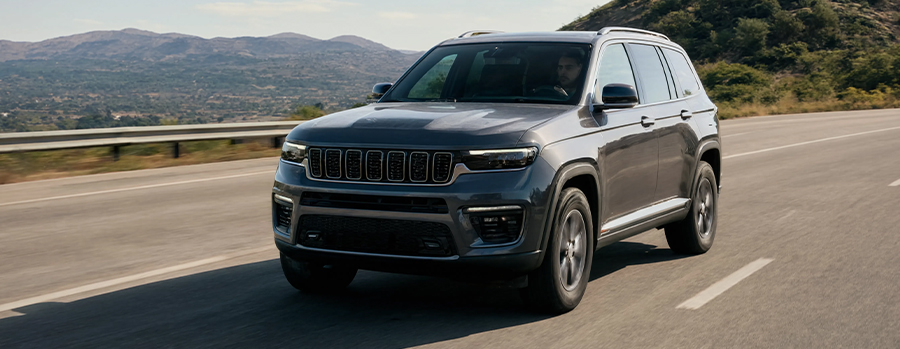
At Turlock CDJR, tire inspections often start with observations drivers almost dismissed—slight vibration, uneven tread, changing tire pressure, or handling that feels different than normal.
In this blog, we’ll walk through the signs that may mean it’s time to schedule Jeep tire service, what’s included in tire service, how tire pressure systems fit into the picture, and when replacing tires may become the smarter next step.
Tires Usually Whisper Before They Shout
Most tire concerns don’t begin with obvious damage. They show up in smaller ways first. And because changes happen gradually, many people adapt without realizing it. If any of these feel familiar, it may be worth scheduling Jeep tire service.
1. Your Tire Pressure Seems to Change More Often Than Usual
Adding air once during a seasonal temperature shift isn’t unusual. But if one tire repeatedly loses pressure, or you’re seeing tire pressure alerts more often, there may be more to inspect than inflation alone. When drivers search for how to service a Jeep tire pressure system, they’re often trying to understand whether the issue is the tire, sensor, wheel condition, or another factor affecting readings.
A professional tire inspection can help identify the source rather than treating the symptom repeatedly.
2. The Steering Feels Different Even Though Nothing Looks Wrong
Sometimes drivers notice this while merging onto Highway 99. Sometimes while turning into parking lots around Monte Vista Avenue. The vehicle may drift slightly, feel less settled, or require small corrections that didn’t used to happen. That doesn’t automatically mean the tires are failing.
But tire wear, inflation differences, wheel alignment conditions, and suspension-related factors can all influence how the vehicle feels.
3. Uneven Tread Wear Is Becoming Easier to Spot
One side wearing faster. Inner edges looking smoother. Front tires appearing different from the rear. These patterns can reveal information. Uneven wear may suggest alignment concerns, inflation imbalance, rotation timing, or driving conditions that affect load distribution. And that leads to one service many drivers overlook.
Transition: Tire wear patterns often tell a story. The next step is understanding what a tire appointment actually includes.
What’s Included During Jeep Tire Service?
People often imagine tire service means replacing tires. In reality, replacement is only one possible outcome.
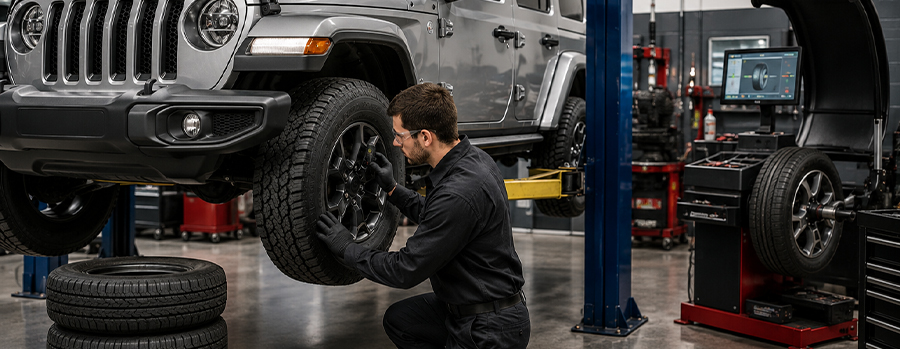
A typical Jeep tire service appointment may include:
- Tire Inspection Checking tread condition, visible wear patterns, sidewall condition, and overall tire health.
- Tire Pressure Check and Tire Pressure Monitoring Review Verifying inflation levels and evaluating tire pressure system readings when needed.
- Tire Rotation Rotating tire positions to encourage more even wear. If your vehicle follows a five-wheel rotation strategy and includes a usable full-size spare, technicians may evaluate whether a Jeep tire rotation approach is appropriate according to manufacturer guidance and tire condition.
- Wheel Balance Evaluation Addressing vibration concerns that may affect ride quality.
- Alignment Assessment (When Needed) If wear patterns suggest alignment-related concerns.
- Replacement Recommendations Only when inspection findings indicate replacement may be worth considering. A good tire visit should leave you understanding not just what was done, but why. One of the most common questions isn’t what tire service includes. It’s timing.
So… When Should You Replace Jeep Tires?
There isn’t one universal mileage answer.
Tire life can vary based on:
- Driving habits
- Load carried regularly
- Road conditions
- Rotation history
- Tire type
- Climate exposure
- Manufacturer recommendations
That said, replacement may become worth discussing if you notice:
- Reduced tread depth
- Repeated pressure concerns
- Cracks or visible damage
- Persistent vibration
- Uneven wear that continues returning
- Reduced confidence in wet conditions
Many drivers don’t notice tread changes during everyday use because adaptation happens gradually. But a longer drive through the Central Valley or simply driving in heavier rain often makes differences easier to recognize. Maintenance decisions feel easier when they happen before inconvenience becomes the reason.
Why Waiting Usually Doesn’t Make Tire Service Simpler
Tires rarely improve by being ignored. Minor pressure changes can become uneven wear. Uneven wear may reduce rotation flexibility. Rotation delays can shorten usable tire life. That doesn’t mean every concern is urgent. It means earlier inspections often create more options. And for drivers balancing work schedules, errands, hauling, road trips, and everything in between, flexibility matters.
Final Thoughts: Schedule Jeep Tire Service Before It’s Too Late
Tires rarely ask for attention dramatically. More often, they change quietly. A little more vibration, more steering correction, or a tire pressure alert that keeps returning. A tread pattern that suddenly becomes impossible to ignore. Those details may not always mean replacement is needed, but they’re often worth understanding. If something about the drive feels different, a professional inspection can help clarify what’s normal and what deserves attention.
Swing by Turlock CDJR for Jeep tire service, tire inspection, rotation, pressure system evaluation, and maintenance support designed to help keep your next drive feeling the way it should.