
How to Make Your Car Battery Last Longer: 6 Essential Tips
Your vehicle's battery does more than start the engine. It supplies the initial power needed to get moving and supports essential electrical systems throughout your drive. Whether you're commuting around Turlock, traveling through California's Central Valley, or preparing for a longer road trip, a dependable battery is essential.
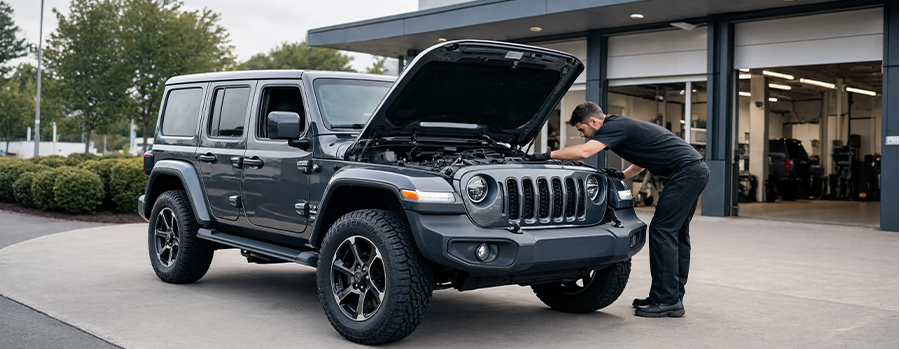
However, battery performance can decline over time. High temperatures, frequent short drives, electrical drain, and charging-system problems can all contribute to premature battery failure. Without regular attention, you might find yourself dealing with a vehicle that won't start when you need it.
The good news is that a few simple maintenance habits can help you identify battery problems early and reduce the risk of unexpected breakdowns. Here are six practical ways to care for your battery and keep your vehicle ready for the road.
1. Check Your Battery's Condition Regularly
A quick visual inspection can reveal early signs of battery trouble before they become more serious. Make a habit of checking your battery during routine maintenance, especially as it gets older.
Look for corrosion around the terminals, loose cable connections, damaged wiring, or visible cracks and swelling in the battery case. Also, pay attention to how your vehicle starts. An engine that cranks more slowly than usual may indicate a weakening battery or another starting-system problem.
Most conventional car batteries last approximately three to five years, although their lifespan depends on battery type, driving habits, climate, and maintenance.
Helpful tip: If your battery is approaching three years old, consider having its performance tested periodically. Testing is particularly useful before a long journey or when you notice changes in starting performance.
If the battery appears swollen, cracked, or is leaking fluid, avoid handling it and arrange professional assistance.
2. Be Mindful of Frequent Short Drives
Short trips are convenient, but repeatedly driving only a few minutes at a time can make it harder for your battery to recover the energy used to start the engine.
When your vehicle is running, the alternator supplies electricity to the vehicle's systems and helps recharge the battery. If you frequently start your vehicle for brief journeys, there may not be enough time to replenish the charge, particularly when several electrical accessories are in use.
You can help reduce this strain by:
- Combining nearby errands when it makes sense.
- Avoiding unnecessary engine starts throughout the day.
- Using a compatible battery maintainer if your vehicle remains parked for extended periods.
- Scheduling a battery test if it repeatedly loses charge.
Keep in mind that taking a longer drive won't necessarily resolve an existing battery or charging-system problem. If your battery frequently runs low, have the underlying cause investigated rather than relying on driving alone to restore it.
3. Account for Turlock's Hot Weather
Battery care is especially important in California's Central Valley, where summer temperatures can climb significantly. Although cold weather can make starting an engine more difficult, prolonged heat can accelerate internal battery deterioration and reduce its service life.
A battery may gradually lose capacity even when the vehicle continues to start normally. That's why preventive inspections can be valuable before noticeable symptoms appear.
To help protect your battery:
- Park in a garage or shaded location whenever practical.
- Keep battery terminals and cable connections clean and secure.
- Have the battery and charging system inspected during routine service.
- Address slow starting or other signs of declining performance promptly.
You can't eliminate the effects of temperature, but regular testing can help identify a battery that's losing its ability to hold a reliable charge.
4. Prevent Unnecessary Electrical Drain
Your battery can lose charge when electrical equipment continues drawing power while the engine is switched off. Forgetting to turn off a light may be enough to cause a starting problem, while certain electrical faults or aftermarket accessories can drain the battery repeatedly.
A few straightforward habits can help prevent unnecessary power loss:
- Check that headlights and interior lights are switched off when needed.
- Unplug accessories that continue drawing power when the vehicle is parked.
- Avoid operating electrical equipment for extended periods with the engine off.
- Make sure doors and the trunk are fully closed.
- Investigate repeated dead-battery incidents instead of relying on frequent jump-starts.
If your battery repeatedly goes flat overnight or after the vehicle has been parked for a short period, the cause may be an electrical drain rather than a worn-out battery.
A professional inspection can help identify excessive power consumption and determine whether an electrical component, wiring issue, or other fault needs attention.
5. Recognize the Signs of a Weak Battery
Your vehicle may provide warning signs before the battery fails completely. Recognizing them early can give you time to arrange an inspection instead of dealing with an unexpected breakdown.
Watch for these common symptoms:
| Warning Sign | What It May Indicate |
| Slow engine cranking | The battery may not be supplying enough starting power. |
| Clicking when starting | The battery may be weak, although other starting-system faults are possible. |
| Dim headlights or interior lights | The battery or charging system may need attention. |
| Battery warning light | A charging-system problem may be present. |
| Electrical accessories behaving unusually | The battery, wiring, or charging system may require inspection. |
| Repeated need for jump-starts | The battery may be deteriorating or losing charge for another reason. |
These symptoms don't automatically mean you need a replacement battery. Problems with the alternator, starter motor, wiring, or other electrical components can produce similar signs.
A battery and charging-system test can help pinpoint the issue. Diagnosing the cause before replacing parts can prevent recurring problems and unnecessary expenses.
6. Include Battery Testing in Routine Maintenance
Your battery works alongside the alternator, electrical connections, and other components to keep your vehicle operating reliably. Having these systems inspected regularly can help catch developing faults before they leave you stranded.
During a battery inspection, a technician may assess its condition, test starting performance, check terminal connections, examine visible damage, and evaluate charging-system operation. If the battery repeatedly loses charge, additional testing may be needed to identify an electrical drain.
If replacement becomes necessary, the new battery must meet your vehicle's specifications. Some modern Chrysler, Dodge, Jeep, and Ram vehicles may also require specific battery-monitoring-system procedures following replacement. Following the manufacturer's recommendations helps ensure the battery and charging system operate as intended.
At Turlock CDJR, drivers can seek assistance with battery service and other vehicle maintenance needs. A professional assessment can help determine whether your battery needs further testing, repair of a related issue, or replacement.
Car Battery Maintenance Checklist
Use this checklist to keep battery care on your regular maintenance radar.
| Maintenance Task | When to Consider It |
| Visual battery inspection | Periodically and during scheduled maintenance |
| Battery performance test | During routine service, particularly as the battery ages |
| Terminal and cable inspection | During regular maintenance or when starting issues occur |
| Charging-system test | When warning lights or charging problems appear |
| Electrical drain diagnosis | When the battery repeatedly loses charge |
| Battery replacement | When testing indicates replacement is necessary |
Always follow your owner's manual and your technician's recommendations for your specific vehicle.
Keep Your Vehicle Ready for the Road at Turlock CDJR
A reliable battery starts with a little preventive care. Regular inspections, sensible driving habits, reduced electrical drain, and timely testing can help you recognize potential problems before they interrupt your plans.
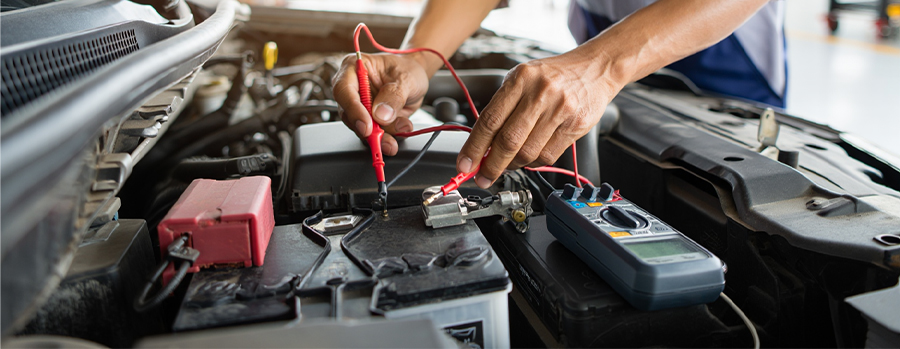
Whether you drive a Chrysler, Dodge, Jeep, Ram, or another vehicle, Turlock CDJR can help you assess battery performance and identify potential charging-system concerns.
If you've noticed slow engine cranking, recurring battery problems, or a battery warning light, don't wait for the vehicle to stop starting. Schedule a service appointment with Turlock CDJR to have your battery checked and take the next step toward dependable driving.