Choose the Right Parts for Your Dodge and Ram in Turlock: OEM vs. Aftermarket
In Turlock, your vehicle does far more than just get you from point A to
point B. For many, it’s a workhorse. An essential part of daily operations,
whether you're hauling feed across dusty fields, delivering equipment to
ranches, or running errands in the town. These vehicles endure long hours,
heavy loads, and unpredictable terrain, making reliability a necessity.
Whether you're driving a Ram 3500 to pull a livestock trailer or a Dodge Durango for family and field errands, every part of your vehicle plays a role in keeping your day moving. That’s why the choice between OEM and aftermarket parts isn’t just about price; it’s about reliability and performance.
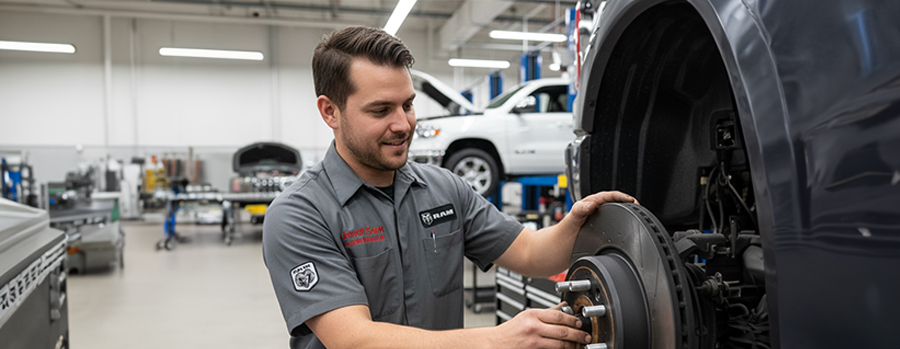
At Turlock Chrysler Dodge Jeep Ram, the conversation most often turns to
the best parts we can provide to the Customer. What fits best? What lasts
longest? What keeps your warranty intact?
In this blog, we’ll break down the key differences between OEM and
aftermarket parts, and why choosing wisely can mean the difference between a
quick fix and a costly setback, especially when your vehicle is more than just
transportation.
OEM vs. Aftermarket Parts: What’s the
Difference?
When it comes to replacing parts on your Chrysler, Jeep, Dodge, or RAM,
you’ll usually have two options, OEM (Original Equipment Manufacturer) parts or
aftermarket parts. Knowing the difference can help you make the right choice
for your vehicle’s performance and longevity.
OEM parts are made by the same company that built your vehicle or by an
authorized manufacturer that meets the brand’s exact standards. In other words,
they’re designed specifically for your vehicles’ model, year, and trim. Every
component fits perfectly and performs just like the original, keeping your Chrysler,
Jeep, Dodge, or RAM as close to "factory fresh” as possible.
Aftermarket parts, on the other hand, are produced by third-party
manufacturers not directly affiliated with Dodge or Ram. They’re typically made
to fit a range of vehicles, which often makes them cheaper, but that broad
compatibility can come at the cost of precision. Some perform well, but others
can be hit or miss. It’s a bit like buying a "one-size-fits-all” T-shirt. It’ll
fit, but not as comfortably or perfectly as one made just for you.
OEM vs. Aftermarket Parts: A Side-by-Side
Breakdown
Here's a comparison to help you get an initial overall picture between
both.
|
Factor
|
OEM Parts
|
Aftermarket Parts
|
|
Fit & Compatibility
|
Designed specifically for your vehicle’s make, model, and trim.
Installation is seamless, with no modifications needed.
|
May fit a range of vehicles. It could require trimming or
adjustments to install properly.
|
|
Quality & Durability
|
Built to meet strict factory standards using high-grade materials.
Reliable and long-lasting.
|
Quality varies widely; some are worth it. Others may wear out
faster or fail prematurely.
|
|
Warranty Coverage
|
Help maintain your manufacturer’s warranty. Repairs using OEM
parts are typically covered.
|
May void your warranty if the part causes issues or doesn’t meet
OEM standards.
|
|
Price
|
Higher upfront cost but often offset by longer lifespan and fewer
repairs.
|
Usually cheaper but may lead to additional costs if replacements
or fixes are needed.
|
|
Availability
|
Available through authorized dealerships and certified service
centers.
|
Widely available online and at independent auto shops, but quality
control varies.
|
Quick Bottom Line:
Aftermarket parts might save you money upfront, but OEM parts save you
time, hassle, and potential repair costs in the long run. If you value
precision, reliability, and warranty protection, OEM is the smarter investment.
How to Decide Which Parts Are Right for You
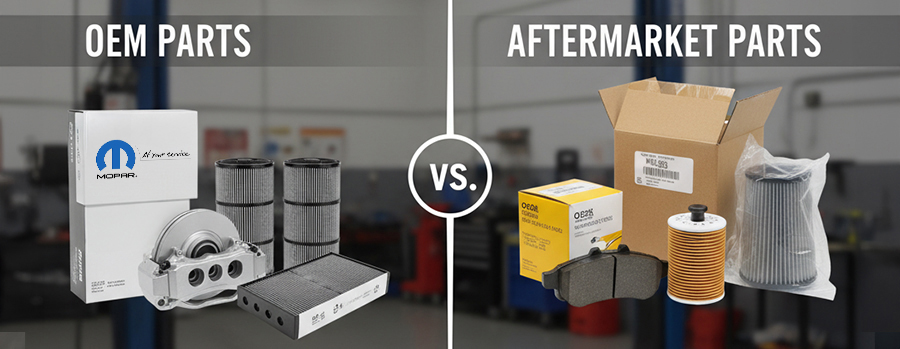
After comparing OEM and aftermarket parts side by side, the next step is understanding how those differences apply to your specific situation. Whether you're replacing a worn-out component or upgrading your vehicle, making the right choice comes down to a few key considerations. Here’s a list of questions to ask yourself before the decision:
1.
What’s the Part’s
Purpose?
Start
by asking: What does this part actually do?
If it’s a core component, like brakes, suspension, or anything tied to engine performance, then precision and reliability matter. OEM parts are built to exact specifications and tested under real-world conditions, making them a safer choice for critical systems. For non-essential upgrades, cosmetic changes, or accessories, aftermarket parts can offer more variety and customization options. Just be sure to research the brand and reviews before buying.
2. What’s Your Vehicle’s Age and Warranty Status?
If
your Dodge or Ram is still under factory warranty, using OEM parts is often the
safest way to keep that coverage intact. Some warranties may be voided if
repairs are done with non-approved components, especially if they lead to
further issues.
If your vehicle is older or out of warranty, you have more flexibility. In that case, high-quality aftermarket parts can be a cost-effective alternative, just make sure they’re compatible and come from a reputable source.
3. Do You Plan to Keep the Vehicle Long-Term?
If
you’re planning to keep your vehicle for several more years, OEM parts can help
maintain its performance and resale value. Buyers and dealerships often look
for service records that show genuine parts were used, as it signals consistent
care.
However, if your vehicle is nearing the end of its life cycle or you’re not concerned about resale, aftermarket parts may be a reasonable way to save maintenance costs, especially non-critical systems.
4. Are You Customizing or Repairing?
This is where the decision can shift. If you're customizing your vehicle for performance, aesthetics, or personal style, aftermarket parts often offer more options and innovation. They’re popular among enthusiasts who want to tweak or upgrade beyond factory specs.
But
if you're repairing or replacing a part to restore factory performance, OEM
parts are generally more reliable. They’re designed to work seamlessly with
your vehicle’s systems, reducing the risk of compatibility issues or unexpected
wear.
Do not Forget Cross-Check These Four Technical Factors.
Once you’ve considered your situation,
take a closer look at the technical side of the decision. These four factors
can make or break your experience with a replacement part:
·
Fit: OEM parts are
precision-engineered for your vehicle’s exact make, model, and trim. That means
no trimming, no guesswork, and no installation headaches. Aftermarket parts may
fit "close enough,” but that can lead to misalignment, vibrations, or reduced
performance over time.
·
Quality: Genuine Dodge and Ram OEM
parts meet strict factory standards and use high-grade materials. They’re built
to last and perform consistently. Aftermarket parts vary widely; some are excellent;
others may wear faster or fail under pressure. If reliability matters, OEM is
the safer bet.
·
Warranty: OEM parts help protect
your vehicle’s warranty. Many manufacturers require genuine parts for covered
repairs. Using after-market parts could risk voiding your warranty and leave
you paying out-of-pocket for future issues. Always check your warranty terms
before making a decision.
· Safety: For systems that affect braking, steering, or engine performance, safety should be your top priority. OEM parts are tested to meet manufacturer safety standards. Aftermarket alternatives may not meet the same benchmarks, which can compromise your vehicle’s reliability in emergency situations.
The Bottom Line: Make the Right Choice!
For the people of Turlock and the Central Valley, your Ram or Dodge is
an indispensable partner in your daily work and family life.
As we’ve broken down, there are valid arguments for both sides:
aftermarket parts offer variety and potential savings, while OEM parts
guarantee a perfect fit and tested quality. The key is to weigh these factors
against the part's function, your vehicle's age, and your future plans for the
truck.
To make the most informed decision for your Ram or Dodge, seek
professional guidance today. The experts at Turlock Chrysler Dodge Jeep Ram
dealership provide the knowledge and insight you need to ensure your
hardworking truck or SUV remains reliable for years to come.